


Anthropic’s frontier AI redraws the cyber risk map and forces enterprises to rethink resilience
Anthropic’s Mythos AI has ignited a global debate not simply because of what it can do, but because of how fast it can do it. Touted by the company as too powerful for public release, Mythos has become a symbol of a new cybersecurity reality one where the traditional gap between discovering a vulnerability and exploiting it is rapidly disappearing.
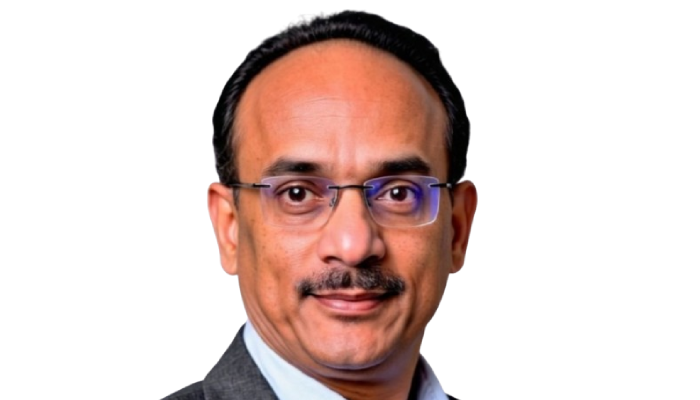
According to Vaibhav Tare, CISO at Fulcrum Digital, Mythos represents a fundamental shift in cyber dynamics. “What earlier took weeks or months can now happen in hours,” he notes, pointing to the most destabilising aspect of frontier AI in security: time compression. For enterprises accustomed to measured patch cycles and layered defences, that shrinking window leaves little margin for error.
Mythos is designed to autonomously scan codebases, simulate attack paths, uncover deep-seated bugs, and identify zero‑day vulnerabilities often without explicit human direction. Anthropic’s own testing claims the model surfaced flaws that had survived decades of audits. While the company positioned Mythos as a defensive breakthrough, its dual‑use nature has made governments, regulators, and CISOs deeply uneasy.
Nowhere is that unease sharper than in banking and financial services. These environments run on dense, interconnected architectures core banking platforms, APIs, real-time payment rails, and a web of third‑party integrations. “A single exposed interface or misconfigured dependency can cascade across systems,” Tare explains. With AI models capable of rapidly chaining exploits, the systemic risk increases dramatically. An attack no longer needs prolonged reconnaissance; discovery and exploitation can occur almost back‑to‑back.
“Cybersecurity strategies must shift from prevention-led models to resilience-driven approaches that prioritise continuous monitoring, rapid response, and real-time containment.”
— Vaibhav Tare, CISO, Fulcrum Digital
Yet the threat does not stop at finance. Telecom, energy, and manufacturing remain deeply exposed due to legacy infrastructure and operational technology never designed for today’s threat landscape. Many of these systems contain long-standing vulnerabilities that were previously difficult to surface at scale. Mythos-like capabilities change that equation, allowing attackers or defenders to unearth and weaponise weaknesses across entire sectors with unprecedented speed and precision.
The controversy around Mythos intensified after reports of unauthorised access through a third‑party vendor environment, undercutting Anthropic’s argument that restricted release alone can ensure safety. The episode highlighted an uncomfortable truth: even the most carefully controlled AI systems remain vulnerable to human, operational, and supply-chain weaknesses.
For enterprises, the lesson is stark. The Mythos episode is not just about one model or one company. It is about the end of prevention as the primary cyber strategy. In a world where zero‑days can be found in hours, perimeter defences and delayed patching are no longer sufficient.
“The key implication is clear,” Tare says. “Security must become resilience-driven.” That means continuous monitoring, real-time threat detection, rapid response playbooks, and architectures designed to contain breaches rather than assume they can always be prevented.
Mythos may never be released to the public but its impact is already visible. It has compressed time, raised stakes, and forced a hard reset in how organisations think about cyber risk. The age of slow, predictable attacks is ending. What replaces it will reward those prepared to absorb and survive shocks, not just those trying to keep adversaries out.