


New report highlights rising focus on trust, protection, and user choice amid growing privacy concerns
HID has unveiled its 2026 State of Security and Identity Report, offering a comprehensive view of how organisations worldwide are rethinking identity management in an era defined by digital transformation and converging security environments. Based on insights from over 1,500 security and IT professionals, partners, and end users, the report underscores a clear shift: identity is now central to enterprise security strategy.
At the core of this transformation is the convergence of physical and digital identity systems. Organisations are moving away from fragmented, standalone credential systems toward unified identity frameworks that can seamlessly manage access across buildings, devices, and applications. According to the findings, 73% of respondents now rank identity management as a top strategic priority, reflecting its growing role in enabling both security and user experience.
One of the most notable trends is the widespread adoption of mobile credentials. No longer driven primarily by convenience, mobile credentials are now valued for their enhanced security capabilities, with 50% of organisations citing security as the key driver. However, hybrid models remain dominant, as 84% of users continue to rely on a mix of mobile and physical credentials to accommodate diverse operational needs.
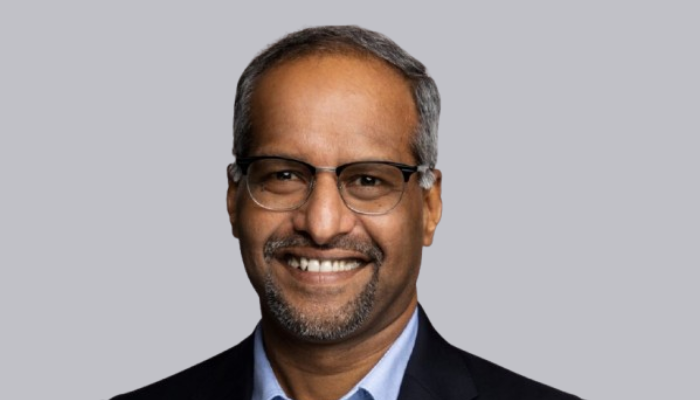
“Security leaders are clearly under pressure to modernise access and identity infrastructure, but our research shows they’re equally focused on the governance, protection and transparency that build lasting trust. The organisations succeeding in 2026 are those giving stakeholders meaningful solution choice while maintaining robust security.”
— Ramesh Songukrishnasamy, Senior Vice President and Chief Technology Officer, HID
Biometric technologies are also gaining traction, evolving beyond multi-factor authentication into core access control systems. Fingerprint and facial recognition technologies are leading adoption, but this growth is accompanied by a sharp rise in ethical and privacy concerns. The report reveals that concerns around biometric privacy have surged to 67%, prompting organisations to implement stricter governance and transparency measures.
Real-Time Location Systems (RTLS) are emerging as another strategic focus area, particularly in sectors such as healthcare, manufacturing, and logistics. While adoption is increasing, challenges such as cost, integration complexity, and limited awareness continue to hinder broader deployment. Similarly, RFID technology is transitioning from a niche innovation to essential infrastructure, with more than half of organisations leveraging it for asset tracking and operational visibility.
A significant takeaway from the report is the accelerating shift toward integrated security platforms. Enterprises are increasingly prioritising unified solutions over point technologies to improve visibility, efficiency, and resilience. However, integration complexity remains a key barrier, highlighting the need for better interoperability and skilled expertise.
Beyond technology adoption, the report places strong emphasis on the growing importance of ethics and privacy. As identity systems become more sophisticated and pervasive, organisations are grappling with balancing enhanced security with individual rights. Many are now investing in governance frameworks and policies to address these concerns, signalling a more mature and responsible approach to security.
Drawing insights from a diverse range of industries including healthcare, finance, government, and critical infrastructure the report provides a holistic view of how identity is shaping the future of trust. It highlights not only where organisations are investing, but also how they are navigating real-world constraints such as budgets, compliance requirements, and evolving threat landscapes.
Ultimately, the findings reinforce a clear message: in 2026, identity is no longer just a security function it is the foundation of trust, driving how organisations protect assets, empower users, and build resilient digital ecosystems.