


Leaders highlight governance, jobs, AI agents, data security and India’s global AI ambitions
The India Today AI Summit 2026, held in New Delhi alongside the AI Impact Summit, brought together global technologists, policymakers and industry leaders to outline how India can shape the next decade of artificial intelligence. The day featured powerful insights on AI governance, employment, data sovereignty and democratized access to intelligent agents.
Former Infosys CEO Vishal Sikka opened with a reflective note, saying Infosys had begun building an AI platform ten years ago an early move that could have propelled India’s IT giants to the forefront of the global AI race had it continued. His remarks sparked fresh debate on whether legacy Indian IT firms underestimated the AI shift.
On governance, Ivana Bartoletti, Global Chief Privacy and AI Governance Officer at Wipro, urged India to craft its own regulatory approach rather than copy Western frameworks. She emphasised India’s scale and talent, positioning it to lead with an independent model that balances innovation and accountability.
“AI will not replace people people who understand AI will replace those who don’t.”
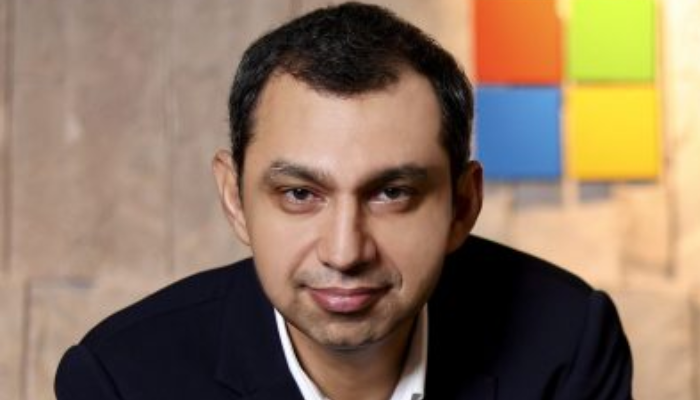
— Puneet Chandok, President, Microsoft India & South Asia
A major highlight came from MIT Media Lab professor Ramesh Raskar, who presented a compelling vision where every Indian citizen will have a personal AI agent. Using the example of a 70‑year‑old woman navigating travel, health and services with ease through her AI companion, he described a future where decentralized agents democratize access for rural and underserved communities.
Employment fears were addressed by Microsoft India & South Asia President Puneet Chandok, who argued that AI will not eliminate jobs but will displace those who fail to learn AI skills. He outlined a mission for “Atmanirbhar AI” that empowers individuals and organisations with India‑built technology.
Government voices echoed optimism. Principal Scientific Advisor Ajay Kumar Sood dismissed fears of mass job loss, noting that while some roles may evolve, AI will ultimately create new high‑productivity opportunities. Meanwhile, Union Minister Jitin Prasada said India is now positioned to shape global AI standards and attract major technology investments, aiming to transition from a talent hub to the world’s AI services powerhouse.
The summit concluded with strong consensus: India stands at the threshold of defining the global AI agenda with governance, innovation and inclusivity at its core.